FALL GROWING GUIDE · REGION IV
When to plant
radishes
in Coastal South Texas.
Radishes belong to the short-season group in the fall guide. They can fit into a plan that leaves room for repeated small sowings instead of a single large crop.
AVERAGE FALL PLANTING DATE
December 1
Direct sow · Frost tolerant
Direct sowing is the usual method shown here. The historical table is a regional reference; confirm soil conditions and the intended operation before sowing. A recurring regional reference from the 2014 Extension guide. This is not a forecast; the source does not specify a closing date for this crop.
What this means for your garden.
The southern coastal band around Corpus Christi and Laredo is Region IV in this guide. Several cool-season planting dates run into November and December.
For radishes, the regional reference is December 1. The source provides no last optimum date for this crop. A later calendar does not make new transplants immune to heat or wet soil. Check moisture before watering, especially while roots are becoming established.
Your next three steps
- Choose the right start.
A short maturity period is useful, but it does not remove the need for suitable growing conditions. Start with a small test row if you are uncertain.
- Give the plant a good first week.
Check the seed packet for spacing and harvest timing. Mark each sowing date so roots from different batches do not become one indistinguishable row.
- Keep a record you can use next season.
Save your planned date, then change it to the day you actually plant. Record completion in My Garden; the reference calendar stays separate from your own history.
WHY LOCATION MATTERS
One crop. Five different calendars.
How the same crop’s average date compares with Coastal South Texas.
Texas PanhandleSeptember 191 days earlierWest TexasOctober 161 days earlierCentral & East TexasNovember 256 days earlierRio Grande ValleyDecember 1514 days laterSource, scope & a little context.
Table 1 supplies average fall planting dates. Table 2 supplies last optimum dates only for the crops it lists. Figure 1 defines the five historical gardening regions; these are not current USDA hardiness zones.
Texas A&M AgriLife Extension · Fall Vegetable Gardening Guide (EHT-056) ↗Dates: Table 1, p. 2. Region: Figure 1, p. 3. Source checked 2026-09-28. Editorial care notes are general planning advice; your county Extension office can refine them.
Read our methodology →Separate each growing stage.
- Direct sow in the bed. Use the seed packet for sowing depth and spacing. Check the actual soil temperature and moisture before choosing a sowing day.
- Check outdoor conditions. Cold tolerance varies with crop, variety, plant age and exposure. It does not guarantee germination or survival in frozen soil.
- Plan the next sowing separately. Check local spring or fall advice and the variety’s maturity time before scheduling another batch. Calendar reminders do not establish a safe planting window.
These are general growing stages, not local planting dates. Minnesota calendar dates are not transferred to other regions. Read the Extension growing-stage guide ↗
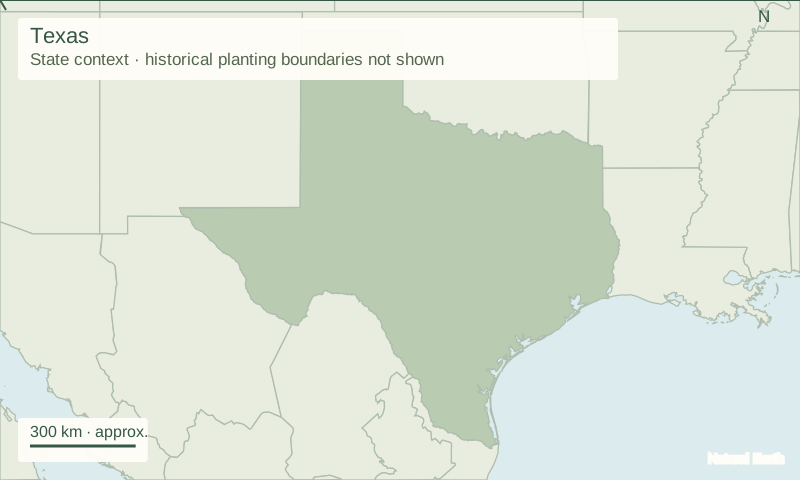
Coastal South Texas in context