FALL GROWING GUIDE · REGION V
When to plant
summer squash
in Rio Grande Valley.
Summer squash is listed among the quicker frost-sensitive crops in the guide. A fall planting still needs enough warm growing time before cold weather arrives.
AVERAGE FALL PLANTING DATE
October 10
Direct sow · Frost sensitive
Direct sowing is the usual method shown here. The historical table is a regional reference; confirm soil conditions and the intended operation before sowing. A recurring regional reference from the 2014 Extension guide. This is not a forecast; the source does not specify a closing date for this crop.
What this means for your garden.
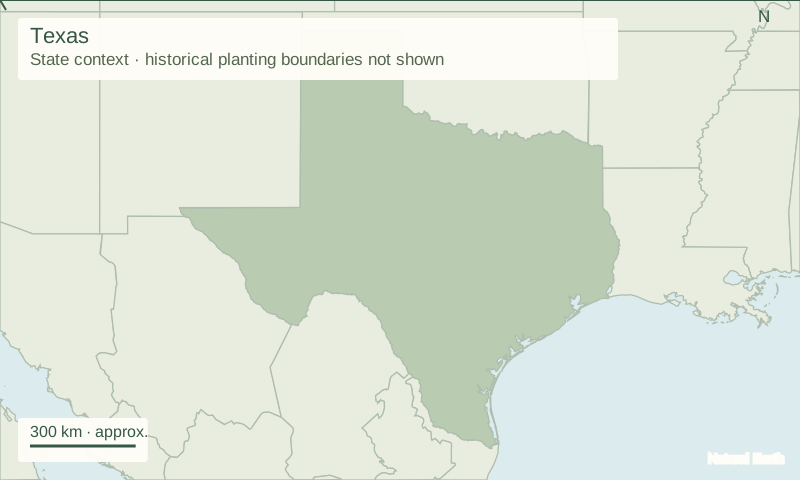
The far southern tip of Texas, including McAllen on the source map, is Region V. This is the latest fall schedule in the five-region guide, with some sowings extending to mid-December.
For summer squash, the regional reference is October 10. The source provides no last optimum date for this crop. Dates that look late compared with northern gardens are intentional in this regional table. Check the source region before importing advice from a different climate.
Your next three steps
- Choose the right start.
Do not substitute winter squash dates: it is a different row with a different schedule. Save the crop name with the date to keep your plan clear.
- Give the plant a good first week.
Leave the room specified for your variety even when the seedlings look small. Check leaves and growing tips as part of your weekly walk through the garden.
- Keep a record you can use next season.
Save your planned date, then change it to the day you actually plant. Record completion in My Garden; the reference calendar stays separate from your own history.
WHY LOCATION MATTERS
One crop. Five different calendars.
How the same crop’s average date compares with Rio Grande Valley.
Texas PanhandleAugust 170 days earlierWest TexasAugust 1556 days earlierCentral & East TexasSeptember 1030 days earlierCoastal South TexasOctober 19 days earlierSource, scope & a little context.
Table 1 supplies average fall planting dates. Table 2 supplies last optimum dates only for the crops it lists. Figure 1 defines the five historical gardening regions; these are not current USDA hardiness zones.
Texas A&M AgriLife Extension · Fall Vegetable Gardening Guide (EHT-056) ↗Dates: Table 1, p. 2. Region: Figure 1, p. 3. Source checked 2026-09-28. Editorial care notes are general planning advice; your county Extension office can refine them.
Read our methodology →Separate each growing stage.
- Direct sow in the bed. Use the seed packet for sowing depth and spacing. Check the actual soil temperature and moisture before choosing a sowing day.
- Check outdoor conditions. Wait for crop-appropriate warm soil and a suitable frost-free window. A warm monthly average does not rule out damaging cold nights.
- Plan the next sowing separately. Check local spring or fall advice and the variety’s maturity time before scheduling another batch. Calendar reminders do not establish a safe planting window.
These are general growing stages, not local planting dates. Minnesota calendar dates are not transferred to other regions. Read the Extension growing-stage guide ↗
Rio Grande Valley in context